

In modern industrial environments, maintaining consistent and efficient airflow is not just a comfort factor—it is a critical operational requirement. Facilities such as manufacturing plants, warehouses, and processing units rely heavily on controlled air movement to support production efficiency, worker safety, and equipment performance. Without proper ventilation, issues like heat buildup, airborne contaminants, and uneven temperature distribution can quickly disrupt operations.
This is where hvac ducts play a vital role. They act as the backbone of industrial ventilation systems, ensuring that air is distributed evenly across large and complex spaces. By directing heated, cooled, or filtered air precisely where it is needed, these systems help maintain optimal working conditions while also improving energy efficiency.
Moreover, well-designed duct systems contribute to regulatory compliance, particularly in industries where air quality standards are strict. At the same time, they help reduce operational costs by minimising energy waste and improving system performance.
To fully understand their impact, it is important to first explore what these systems are and how they function in industrial settings.
What Are HVAC Ducts?
hvac ducts are structured air distribution channels used in industrial facilities to transport heated, cooled, or ventilated air throughout a space. They play a crucial role in maintaining consistent airflow, supporting temperature control, and improving indoor air quality across different operational zones.
In industrial settings, these ducts are typically designed to handle large air volumes and operate under demanding conditions. They connect key HVAC components such as air handling units, fans, filters, and vents, ensuring that air moves efficiently from one area to another.
Moreover, the materials used—such as galvanised steel, aluminium, or specialised fabric—are selected based on durability, performance requirements, and environmental factors. This ensures that the system can withstand high temperatures, dust, and continuous usage commonly found in industrial environments.
With a clear understanding of what these systems are, it becomes easier to explore the different types used across industrial facilities.
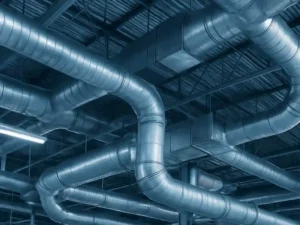
Types of HVAC Ducts Used in Industrial Facilities
In industrial environments, different duct types are used to meet specific operational needs. The choice depends on factors such as airflow requirements, layout complexity, and environmental conditions. Therefore, understanding the main types helps in selecting the most efficient solution.
Rigid Ducts
Rigid systems are widely used in industrial facilities due to their strength and durability. Typically made from galvanised steel or aluminium, they are ideal for high-pressure and high-volume airflow systems. In addition, they offer minimal air leakage and long service life, making them suitable for factories and heavy-duty operations.
Flexible Ducts
Flexible ducts are designed for areas where rigid systems are difficult to install. Because of their adaptability, they are commonly used in tight or complex layouts. However, they are typically used for shorter runs, as excessive bending can reduce airflow efficiency.
Fabric Ducts
Fabric ducts, also known as air socks, are lightweight and cost-effective alternatives. They are particularly useful in large open spaces such as warehouses. Moreover, they provide uniform air distribution and are easy to install and maintain, which can reduce overall operational costs.
Spiral Ducts
Spiral ducts are known for their aerodynamic design, which improves airflow efficiency while reducing pressure loss. In addition, their tight sealing minimises leakage, making them a popular choice for modern industrial facilities that prioritise energy efficiency.
Each type serves a specific purpose; therefore, selecting the right one depends on the facility’s design, airflow demands, and operational goals.
How HVAC Ducts Work in Industrial Systems
In industrial facilities, hvac ducts function as a network that moves air efficiently from one point to another. They work alongside key HVAC components to ensure that airflow remains consistent, controlled, and suitable for demanding operational environments.
Step-by-Step Airflow Process
Air Intake
First, fresh or recirculated air is drawn into the system through intake vents. This step ensures a continuous supply of air for processing.
Air Conditioning (Heating/Cooling/Filtering)
Next, the air passes through an air handling unit where it is heated, cooled, or filtered. At this stage, contaminants such as dust or particles are removed, which is especially important in industrial settings.
Air Distribution
After conditioning, the air travels through the duct network and is delivered to different zones within the facility. Proper duct design ensures that each area receives the required airflow without imbalance.
Air Return and Recirculation
Finally, used air is drawn back into the system for reconditioning or expelled outside. This continuous cycle maintains stable indoor conditions.
Key Components Supporting the Process
- Fans and blowers regulate airflow movement
- Filters improve air quality by removing contaminants
- Dampers control airflow direction and volume
- Vents and diffusers distribute air evenly across spaces
Why Proper Functioning Matters
Efficient operation of hvac ducts ensures balanced air pressure, consistent temperature, and reduced energy loss. In contrast, poorly designed systems can lead to uneven airflow, higher energy consumption, and reduced productivity.
With a clear understanding of how these systems operate, it becomes easier to see how they directly improve airflow efficiency in industrial facilities.
How HVAC Ducts Improve Airflow Efficiency in Industrial Facilities
Efficient airflow is essential in industrial environments where large spaces, heavy machinery, and continuous operations demand precise air distribution. Well-designed hvac ducts play a key role in improving overall system performance by ensuring that air moves smoothly, evenly, and with minimal loss.
Reduced Air Leakage
Properly sealed duct systems prevent air from escaping during distribution. As a result, more conditioned air reaches the intended areas, improving efficiency while reducing energy waste.
Optimised Air Distribution
In large industrial facilities, uneven airflow can create hot and cold zones. However, a well-planned duct layout ensures that air is distributed evenly across all operational areas, maintaining consistent conditions.
Improved Energy Efficiency
When airflow is streamlined, HVAC systems require less energy to maintain desired temperatures. Consequently, this leads to lower operational costs and improved system longevity.
Better Temperature Control
Industrial processes often require stable temperature conditions. With efficient duct systems, facilities can maintain precise environmental control, which supports both productivity and product quality.
Enhanced Indoor Air Quality
By delivering filtered air and removing contaminants, duct systems help create a safer working environment. This is particularly important in industries where dust, fumes, or particles are present.
Key Design Factors That Affect Performance
The performance of hvac ducts in industrial facilities largely depends on how well they are designed and installed. Even the most advanced HVAC systems can underperform if the ductwork is not properly planned. Therefore, focusing on key design factors is essential for achieving optimal airflow efficiency.
Proper Duct Sizing
Correct sizing ensures that the system can handle the required air volume without causing pressure drops. If ducts are too small, airflow becomes restricted; however, oversized ducts may reduce system efficiency and increase costs.
Efficient Layout Design
A well-planned layout minimises unnecessary bends, turns, and long duct runs. As a result, air can move more freely, reducing resistance and improving overall performance.
Material Selection
Choosing the right material—such as galvanised steel or aluminium—is crucial for durability and efficiency. In industrial environments, materials must withstand heat, corrosion, and continuous use.
Insulation and Sealing
Proper insulation helps maintain air temperature as it travels through the system. At the same time, sealing joints and connections prevents air leakage, ensuring that energy is not wasted.
Airflow Balance and Pressure Control
Maintaining balanced airflow across different zones is essential. Dampers and control systems are often used to regulate pressure and ensure consistent air distribution throughout the facility.
Compliance with Industry Standards
Adhering to relevant UK and international standards ensures safety, efficiency, and regulatory compliance. This is especially important in industries with strict environmental and air quality requirements.
Why Design Matters
When these design factors are properly addressed, hvac ducts can deliver maximum efficiency, reduced energy consumption, and long-term reliability.
However, even well-designed systems can face challenges over time, which makes it important to recognise common issues and how to address them.
Common Problems with HVAC Ducts in Industrial Settings
Even with proper design and installation, hvac ducts in industrial facilities can develop issues over time. These problems often reduce airflow efficiency, increase energy consumption, and negatively impact overall operations. Therefore, identifying and addressing them early is essential.
Air Leaks and Pressure Loss
Leaks at joints, seams, or connections are among the most common issues. As a result, conditioned air escapes before reaching its destination, leading to reduced efficiency and higher energy costs.
Poor Installation or Design Flaws
Incorrect installation or poorly planned layouts can restrict airflow. For instance, excessive bends or improper sizing may create resistance, causing uneven air distribution across the facility.
Dust and Contamination Build-Up
Industrial environments often generate dust, fumes, and particles. Over time, these contaminants can accumulate inside ducts, reducing airflow and affecting indoor air quality.
Uneven Airflow Distribution
Inconsistent airflow can create hot and cold zones within the facility. Consequently, this affects worker comfort, equipment performance, and process stability.
Noise and Vibration Issues
Improperly secured or poorly designed ducts may produce noise and vibrations. Not only does this indicate inefficiency, but it can also lead to structural wear over time.
Impact on Operations
If left unresolved, these issues can significantly reduce the performance of hvac ducts, leading to higher maintenance costs and operational disruptions.
Fortunately, with the right strategies and regular maintenance, many of these problems can be prevented or effectively managed.
Best Practices for Optimising HVAC Duct Efficiency
To maintain high performance in industrial environments, it is essential to follow proven strategies that enhance the efficiency of hvac ducts. By implementing best practices, facilities can reduce energy waste, improve airflow, and extend system lifespan.
Regular Inspection and Maintenance
Routine inspections help identify leaks, blockages, or wear before they become major issues. As a result, timely maintenance ensures consistent airflow and prevents costly downtime.
Professional Installation and Fabrication
Working with experienced professionals ensures that duct systems are designed and installed correctly from the start. This reduces the risk of inefficiencies caused by poor layout or improper sizing.
Use of High-Quality Materials
Durable materials such as galvanised steel or aluminium improve system reliability. In addition, they can withstand harsh industrial conditions, reducing the need for frequent repairs.
Scheduled Cleaning
Over time, dust and contaminants can accumulate inside ducts. Therefore, regular cleaning is essential to maintain proper airflow and ensure healthy indoor air quality.
Proper Sealing and Insulation
Sealing joints prevents air leakage, while insulation maintains air temperature throughout the system. Together, these measures significantly improve energy efficiency.
System Upgrades and Optimisation
Older systems may struggle to meet current efficiency standards. Upgrading components or redesigning sections of the duct network can enhance performance and reduce operational costs.
Long-Term Benefits
By following these best practices, industrial facilities can ensure that hvac ducts operate efficiently, reliably, and cost-effectively over time.
With optimisation strategies in place, it is equally important to understand the broader benefits these systems bring to industrial operations.
Benefits of Efficient HVAC Duct Systems in Industry
Efficient airflow systems are essential for maintaining high-performance industrial operations. When hvac ducts are properly designed, installed, and maintained, they deliver a wide range of benefits that go beyond simple ventilation. As a result, businesses can achieve both operational and financial advantages.
Lower Energy and Operational Costs
Efficient duct systems minimise air leakage and reduce energy waste. Consequently, HVAC units require less power to maintain desired conditions, leading to noticeable cost savings over time.
Improved Worker Comfort and Productivity
Consistent airflow helps maintain stable temperatures and better air quality. This creates a more comfortable working environment, which can improve employee focus, safety, and overall productivity.
Enhanced Air Quality and Safety
Industrial facilities often deal with dust, fumes, and airborne particles. Well-functioning duct systems help remove contaminants and supply clean air, supporting compliance with health and safety standards.
Better Equipment Performance
Stable environmental conditions prevent overheating and reduce strain on machinery. Therefore, efficient airflow contributes to smoother operations and fewer equipment failures.
Regulatory Compliance
Maintaining proper ventilation is essential for meeting industry regulations. Efficient systems help facilities comply with environmental and workplace safety requirements, avoiding potential penalties.
Extended System Lifespan
When airflow is balanced and efficient, HVAC components experience less strain. As a result, the entire system lasts longer and requires fewer repairs or replacements.
Overall Value
By improving efficiency, safety, and reliability, hvac ducts play a critical role in supporting long-term industrial performance.
With these benefits in mind, the next step is to understand how to choose the right duct system for your specific facility.
How to Choose the Right HVAC Ducts for Your Facility
Selecting the right system is essential to ensure long-term performance and efficiency. Since every industrial facility has unique requirements, choosing suitable hvac ducts involves careful planning and evaluation. By considering key factors, businesses can avoid costly mistakes and optimise airflow from the start.
Assess Facility Size and Layout
First, evaluate the size and structure of the facility. Large or complex layouts require well-planned duct networks to ensure even air distribution across all zones.
Understand Airflow Requirements
Different industries have varying airflow needs. For example, manufacturing plants may require higher ventilation rates compared to storage warehouses. Therefore, understanding these requirements is crucial for proper system design.
Choose the Right Materials
Material selection directly impacts durability and efficiency. Galvanised steel is often preferred for heavy-duty use, while lighter materials may suit less demanding environments.
Consider Cost vs Long-Term Value
While initial costs are important, it is equally essential to consider long-term savings. High-quality systems may require a larger upfront investment but can significantly reduce maintenance and energy expenses over time.
Evaluate Industry-Specific Needs
Certain industries, such as food processing or pharmaceuticals, require strict air quality control. In such cases, specialised duct solutions may be necessary to meet compliance standards.
Work with Experienced Professionals
Collaborating with experts in duct design and fabrication ensures that the system is tailored to your facility. Professional guidance helps avoid common design errors and improves overall efficiency.
Final Consideration
By carefully analysing these factors, businesses can select hvac ducts that deliver reliable performance, energy efficiency, and long-term value.
As technology continues to evolve, it is also worth exploring emerging trends that are shaping the future of industrial duct systems.
Future Trends in Industrial HVAC Duct Systems
As industrial operations continue to evolve, so do the technologies and approaches used in ventilation systems. Modern hvac ducts are no longer just passive air channels; instead, they are becoming smarter, more efficient, and environmentally responsible. These advancements are helping industries improve performance while reducing operational costs.
Smart Monitoring and IoT Integration
Advanced sensors and IoT-enabled systems are increasingly being integrated into duct networks. These technologies allow real-time monitoring of airflow, pressure, and temperature. As a result, facility managers can quickly identify inefficiencies and make data-driven adjustments.
Energy-Efficient Designs
New design approaches focus on reducing resistance and minimising energy loss. For instance, improved duct shapes and better sealing techniques help optimise airflow while lowering energy consumption.
Sustainable Materials and Practices
Sustainability is becoming a priority across industries. इसलिए, manufacturers are now using recyclable and eco-friendly materials in duct fabrication. This not only reduces environmental impact but also supports compliance with green building standards.
Integration with Smart Building Systems
Modern industrial facilities are increasingly adopting automated building management systems (BMS). These systems integrate HVAC operations, allowing ducts to work in sync with temperature controls, occupancy sensors, and energy management tools.
Modular and Custom Fabrication
Custom-built and modular duct solutions are gaining popularity. They allow faster installation, better adaptability, and improved performance in complex industrial layouts.
Data-Driven Optimisation
With access to real-time data, companies can continuously optimise airflow performance. Over time, this leads to improved efficiency, reduced downtime, and better system reliability.
Looking Ahead
As these trends continue to develop, hvac ducts will play an even more critical role in creating efficient, sustainable, and intelligent industrial environments.
To wrap up, let’s summarise the key takeaways and understand why investing in efficient duct systems is essential for long-term success.
FAQs
What are HVAC ducts used for in industrial facilities?
hvac ducts are used to distribute heated, cooled, or ventilated air across different areas of an industrial facility. They help maintain consistent airflow, regulate temperature, and improve overall air quality in large operational spaces.
How do HVAC ducts improve airflow efficiency?
They improve efficiency by ensuring smooth air distribution, reducing leakage, and maintaining proper pressure balance. As a result, air reaches all required zones evenly without excessive energy consumption.
Which type of HVAC ducts is best for industrial use?
Rigid and spiral duct systems are commonly preferred due to their durability, strength, and ability to handle high airflow volumes. However, the best option depends on the facility’s specific requirements.
How often should HVAC ducts be inspected or maintained?
In most industrial settings, ducts should be inspected every 6 to 12 months. However, facilities with high dust or contamination levels may require more frequent maintenance.
Can poorly designed HVAC ducts increase energy costs?
Yes, inefficient duct systems can lead to air leakage, pressure loss, and uneven airflow. Consequently, HVAC units must work harder, resulting in higher energy consumption and operational costs.
Do HVAC ducts affect indoor air quality in industrial environments?
Absolutely. Clean and well-maintained duct systems help remove dust, fumes, and contaminants, ensuring safer and healthier working conditions.
Is professional installation necessary for HVAC ducts?
Yes, professional installation ensures proper sizing, layout, and sealing. This significantly improves system efficiency and reduces the risk of long-term issues.
Conclusion
In industrial environments, maintaining efficient airflow is essential for ensuring smooth operations, worker safety, and energy optimisation. As discussed throughout this guide, hvac ducts play a central role in distributing air effectively across large and complex facilities. From improving temperature control to enhancing indoor air quality, their impact extends far beyond basic ventilation.
Moreover, when designed and maintained properly, these systems can significantly reduce energy consumption and operational costs. By minimising air leakage, ensuring balanced airflow, and supporting compliance with industry standards, they contribute to long-term efficiency and reliability.
At the same time, choosing the right duct system and following best practices—such as regular maintenance, proper insulation, and professional installation—can prevent common issues and maximise performance. As industrial demands continue to evolve, adopting modern and efficient duct solutions will become even more important.
Ultimately, investing in high-quality hvac ducts is not just a technical decision but a strategic one. Businesses that prioritise efficient airflow systems are better positioned to improve productivity, reduce costs, and maintain a safe working environment.
👉 If you’re planning to upgrade or install a duct system, consulting experienced professionals can help you achieve the best results tailored to your facility’s needs.