
Maintaining clean and safe air in industrial workplaces is essential for protecting employees, improving productivity, and meeting health and safety regulations. In many industries, daily operations generate harmful airborne contaminants such as dust, fumes, smoke, vapours, and chemical particles. Without proper ventilation, these pollutants can quickly spread throughout a facility, creating serious health risks and reducing overall air quality. This is where LEV Systems play a critical role.
LEV Systems, also known as Local Exhaust Ventilation systems, are specifically designed to capture hazardous substances at their source before they enter the workplace atmosphere. As a result, businesses can create safer working environments while also improving operational efficiency and regulatory compliance. From manufacturing plants and welding facilities to pharmaceutical laboratories and woodworking workshops, these systems are widely used across industrial sectors where air contamination is a concern.
In addition to protecting worker health, properly designed LEV Systems can help reduce equipment contamination, lower cleaning costs, and support long-term workplace safety strategies. Furthermore, with increasing focus on COSHH regulations and industrial air quality standards in the UK, many organisations now consider effective extraction and ventilation systems a necessity rather than an option.
This guide explains what LEV Systems are, how they work, and why they are essential for maintaining workplace safety in modern industrial environments.
What Are LEV Systems?
LEV Systems, or Local Exhaust Ventilation systems, are specialised ventilation solutions designed to remove harmful airborne contaminants directly from the source before they spread into the workplace. These systems are commonly used in industrial and commercial environments where processes generate dust, fumes, smoke, vapours, mist, or other hazardous particles that may affect employee health and workplace safety.
Unlike general ventilation systems that circulate air throughout a building, LEV Systems focus on extracting contaminated air from specific work areas. As a result, they provide a more targeted and effective method of controlling exposure to dangerous substances. Industries such as manufacturing, welding, chemical processing, woodworking, pharmaceuticals, and food production often rely on these systems to maintain cleaner and safer working environments.
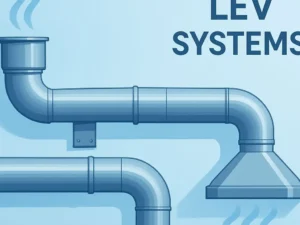
A typical LEV system works by capturing contaminated air through a hood or extraction point positioned close to the source of pollution. The contaminated air then travels through industrial ductwork into a filtration or air-cleaning unit where harmful particles are removed. Finally, the cleaned air is either safely released outside or recirculated back into the workspace, depending on the system design and industry requirements.
Because different workplaces produce different types of airborne contaminants, LEV Systems can be customised to meet specific operational needs. Some systems are designed for heavy dust extraction, while others focus on controlling chemical fumes, welding smoke, or fine particulate matter. In addition, modern extraction systems are increasingly being designed with energy efficiency and environmental performance in mind.
By controlling airborne hazards at the source, these systems help businesses improve workplace air quality, protect employees from respiratory risks, and comply with health and safety regulations. Consequently, properly designed LEV solutions have become an essential part of modern industrial safety management.
Why Are LEV Systems Important for Workplace Safety?
Workplace safety remains a major priority across industrial sectors, especially in environments where employees are regularly exposed to hazardous airborne substances. Dust particles, chemical vapours, welding fumes, smoke, and fine contaminants can create serious health risks when they are not properly controlled. For this reason, LEV Systems are considered one of the most effective solutions for maintaining safe and compliant working conditions.
One of the main reasons these systems are important is their ability to capture harmful pollutants directly at the source. Instead of allowing contaminated air to circulate throughout a facility, extraction systems remove dangerous substances before workers inhale them. Consequently, businesses can significantly reduce employee exposure to respiratory hazards and long-term occupational illnesses.
In industries such as manufacturing, engineering, woodworking, and chemical processing, airborne contaminants can contribute to conditions including occupational asthma, lung irritation, breathing difficulties, and chronic respiratory diseases. By installing properly designed LEV Systems, employers can create cleaner air environments that support employee wellbeing and reduce health-related risks over time.
In addition to protecting worker health, these systems also improve overall workplace air quality. Cleaner air can lead to a more comfortable working environment, better concentration levels, and improved productivity. Furthermore, reducing airborne dust and fumes helps minimise contamination on machinery, tools, and sensitive equipment, which may lower maintenance requirements and operational downtime.
Another important factor is regulatory compliance. In the UK, employers have a legal responsibility under COSHH regulations to control employee exposure to hazardous substances. Effective ventilation and extraction systems play a critical role in helping businesses meet these requirements. Regular inspection, maintenance, and testing of LEV Systems are also essential for ensuring continued compliance with Health and Safety Executive (HSE) guidelines.
Beyond compliance and safety, investing in efficient extraction systems demonstrates a company’s commitment to responsible workplace management. As industrial environments continue to evolve, many organisations are prioritising advanced ventilation solutions to improve sustainability, operational performance, and long-term employee protection.
Main Types of LEV Systems
Different industrial environments produce different airborne hazards, which means there is no single extraction solution suitable for every workplace. As a result, LEV Systems are available in several configurations designed to handle specific contaminants, operational processes, and workspace layouts. Choosing the correct system is essential for maintaining effective airflow control, workplace safety, and long-term system performance.
Fixed LEV Systems
Fixed LEV systems are permanently installed extraction solutions commonly used in large industrial facilities and continuous production environments. These systems are designed to manage high volumes of airborne contaminants generated during daily operations such as welding, grinding, manufacturing, and chemical processing.
Typically, fixed systems include strategically positioned extraction hoods connected to industrial ductwork, filtration units, and high-capacity fans. Because they are integrated directly into the workplace infrastructure, they provide consistent airflow control and reliable contaminant removal across multiple workstations.
In addition, fixed LEV Systems can be customised to meet the specific airflow and filtration requirements of a facility. This makes them ideal for industries that require long-term, high-performance ventilation solutions.
Portable LEV Units
Portable LEV units offer flexible extraction solutions for workplaces where operations frequently change location or where permanent installations may not be practical. These mobile systems are commonly used for temporary workstations, maintenance tasks, construction projects, and smaller industrial operations.
One of the key advantages of portable extraction systems is their mobility. Workers can easily reposition the equipment to capture fumes, dust, or vapours close to the source of contamination. As a result, businesses can maintain effective ventilation in multiple areas without installing permanent ducting infrastructure.
Although portable systems may not handle the same extraction volumes as larger fixed installations, they remain highly effective for targeted contaminant control in smaller or temporary work environments.
On-Tool Extraction Systems
On-tool extraction systems are designed to capture contaminants directly from handheld tools and machinery during operation. These systems are particularly common in industries such as woodworking, construction, metal fabrication, and surface preparation where dust generation occurs at the point of contact.
For example, sanding machines, saws, grinders, and cutting equipment can be connected directly to extraction units that remove harmful particles immediately as they are produced. Consequently, this reduces the amount of airborne dust released into the surrounding environment.
By controlling contaminants at the source, on-tool LEV Systems help improve air quality while also reducing cleaning requirements and equipment contamination. Furthermore, they provide an additional layer of protection for workers operating in close proximity to dust-generating tools.
Specialised Fume and Dust Extraction Systems
Certain industrial processes require highly specialised extraction solutions to manage hazardous substances safely. Welding fumes, chemical vapours, pharmaceutical particles, and combustible dust may all require dedicated filtration technologies and advanced airflow management systems.
Specialised extraction systems are often equipped with high-efficiency filters, spark arrestors, or chemical-resistant components designed for demanding industrial applications. In many cases, these systems are engineered to comply with strict industry regulations and environmental safety standards.
As workplace safety requirements continue to evolve, many businesses are investing in advanced LEV Systems that combine efficient extraction performance with energy-saving technologies and smart monitoring capabilities.
Key Components of Efficient LEV Systems
The effectiveness of LEV Systems depends heavily on the quality, design, and performance of their individual components. Each part of the system plays an important role in capturing, transporting, filtering, and safely removing airborne contaminants from the workplace. When all components work together efficiently, businesses can achieve better air quality, improved workplace safety, and stronger compliance with industrial regulations.
Extraction Hoods
Extraction hoods are one of the most important parts of any LEV system because they capture contaminants directly at the source. These hoods are strategically positioned near the area where dust, fumes, vapours, or smoke are generated. By collecting pollutants before they spread into the surrounding environment, extraction hoods help minimise worker exposure to harmful airborne substances.
Different industrial applications require different hood designs. For example, welding operations may use canopy or slot hoods, while woodworking facilities often require enclosed extraction points connected directly to machinery. Proper hood placement is essential because poorly positioned extraction points can reduce airflow efficiency and limit contaminant capture performance.
Industrial Ductwork
Once contaminants are captured, they travel through industrial ductwork that transports polluted air to the filtration or cleaning unit. High-quality ducting is critical for maintaining consistent airflow throughout the system and ensuring contaminants are removed efficiently.
Industrial ductwork is commonly manufactured from galvanised steel, stainless steel, or other durable materials capable of handling demanding operating conditions. In many facilities, custom-designed ducting layouts are used to optimise airflow performance and reduce pressure loss across the system.
Additionally, properly sized ductwork helps prevent dust accumulation, airflow restrictions, and energy inefficiencies. Regular inspections and maintenance are also important to ensure the ducting system remains clean and fully operational over time.
Filtration and Air Cleaning Units
Filtration systems are responsible for removing harmful particles and contaminants from extracted air before it is discharged or recirculated. Depending on the type of pollutants involved, different filtration technologies may be used within LEV Systems.
Common filtration solutions include:
- HEPA filters for fine particulate control
- Bag filters for industrial dust collection
- Carbon filters for chemical vapours and odours
- Wet scrubbers for specialised industrial applications
Efficient filtration systems not only improve workplace air quality but also help businesses meet environmental and health regulations. Furthermore, advanced filtration technologies can reduce emissions and support more sustainable industrial operations.
Fans and Airflow Control Systems
Industrial extraction fans create the airflow needed to move contaminated air through the system. Without proper airflow management, even well-designed extraction systems may struggle to remove hazardous substances effectively.
Fans used in LEV Systems are selected based on airflow volume, contaminant type, duct resistance, and operational requirements. High-performance airflow control ensures that contaminants are continuously captured and transported away from work areas without interruption.
Modern ventilation systems may also include automated airflow monitoring and energy-efficient fan controls. These technologies help maintain consistent extraction performance while reducing energy consumption and operational costs.
Discharge Systems
After contaminants have been filtered, the cleaned air must be safely discharged from the system. Depending on the application and local regulations, filtered air may either be released outdoors or safely recirculated back into the workplace.
Proper discharge design is essential for preventing recontamination and maintaining healthy indoor air conditions. In addition, businesses must ensure that discharge systems comply with environmental and workplace safety standards.
Together, these components form the foundation of reliable and high-performing LEV Systems. When designed and maintained correctly, they help industrial facilities create safer, cleaner, and more efficient working environments.
Benefits of Installing LEV Systems in Industrial Facilities
Installing effective LEV Systems offers far more than basic air extraction. In modern industrial environments, these systems play a major role in improving workplace safety, operational efficiency, equipment protection, and regulatory compliance. As industries continue to focus on employee wellbeing and environmental responsibility, properly designed extraction systems have become an essential long-term investment.
Safer Working Conditions
One of the most important benefits of LEV Systems is improved workplace safety. Industrial processes often release harmful contaminants that can negatively affect employee health when inhaled over extended periods. Dust, fumes, smoke, vapours, and airborne chemicals may contribute to respiratory illnesses and other occupational health problems if they are not controlled effectively.
By capturing pollutants directly at the source, extraction systems significantly reduce employee exposure to hazardous substances. Consequently, businesses can create cleaner and healthier work environments that support workforce safety and wellbeing.
Improved Air Quality
Maintaining good indoor air quality is essential in industrial facilities where airborne contaminants are regularly produced. Effective ventilation and extraction systems help prevent pollutants from spreading throughout the workplace, resulting in fresher and cleaner air conditions.
Improved air quality can also enhance employee comfort and concentration. In many cases, workers operating in cleaner environments experience fewer respiratory irritations and better overall working conditions. Additionally, improved airflow management may help regulate workplace temperatures and reduce stagnant air within production areas.
Enhanced Regulatory Compliance
Businesses operating in the UK must comply with workplace health and safety regulations designed to control exposure to hazardous substances. Under COSHH regulations, employers are legally required to minimise airborne risks wherever possible.
Properly maintained LEV Systems help organisations meet these compliance requirements by controlling contaminants effectively and supporting safer working practices. Regular system inspections, airflow testing, and maintenance also demonstrate a proactive approach to workplace safety during HSE assessments and audits.
Failure to manage airborne hazards correctly may lead to penalties, operational disruptions, or increased liability risks. Therefore, investing in reliable extraction systems can help businesses avoid costly compliance issues while protecting employees and maintaining operational standards.
Increased Productivity and Efficiency
Cleaner industrial environments can positively impact employee performance and operational efficiency. Excessive dust, smoke, or fumes may reduce visibility, create uncomfortable working conditions, and interfere with daily processes. By improving air quality and ventilation, LEV Systems help create more productive and efficient workspaces.
In addition, reduced airborne contamination often leads to fewer interruptions caused by cleaning requirements or equipment maintenance. As a result, businesses may experience smoother production processes and improved operational reliability over time.
Reduced Equipment Contamination
Airborne dust and fine particles can accumulate on machinery, tools, electrical systems, and sensitive production equipment. Over time, this contamination may reduce equipment performance, increase wear, and contribute to unexpected breakdowns.
Effective extraction systems help remove contaminants before they settle throughout the facility. Consequently, businesses can reduce maintenance demands, improve equipment reliability, and extend the lifespan of valuable industrial assets.
Lower Cleaning and Maintenance Costs
Industrial environments with poor airflow control often require extensive cleaning to manage dust and airborne residue. However, well-designed LEV Systems minimise contaminant build-up by capturing pollutants before they spread.
This reduction in airborne particles can help lower cleaning costs, reduce maintenance downtime, and improve overall facility management efficiency. In the long term, businesses may also benefit from lower operational expenses associated with contamination control.
Support for Sustainability Goals
Many modern extraction systems are now designed with energy efficiency and environmental performance in mind. Advanced filtration technologies, energy-efficient fans, and smart airflow monitoring systems can help reduce energy consumption while maintaining effective contaminant control.
As sustainability becomes increasingly important across industrial sectors, businesses are investing in environmentally responsible ventilation solutions that support both workplace safety and operational efficiency. Efficient LEV Systems can contribute to greener industrial practices while helping organisations meet evolving environmental standards.
Signs Your Facility May Need LEV Systems
Many industrial facilities generate airborne contaminants during daily operations, yet the risks are not always immediately obvious. Over time, poor air quality can affect employee health, reduce productivity, and create compliance concerns. Recognising the early warning signs can help businesses determine whether installing or upgrading LEV Systems is necessary for maintaining a safer and more efficient workplace.
Excessive Dust or Airborne Particles
One of the clearest indicators that a facility may require improved extraction systems is visible dust accumulation. If dust regularly settles on machinery, floors, workstations, or ventilation surfaces, it may indicate that airborne particles are not being controlled effectively.
Industries such as woodworking, metal fabrication, construction, and manufacturing often generate large amounts of fine particulate matter that can remain suspended in the air for extended periods. Without proper extraction, these particles may spread throughout the facility and increase respiratory exposure risks for workers.
Persistent Fumes, Smoke, or Strong Odours
Industrial processes involving welding, chemical handling, painting, or thermal operations frequently produce fumes and vapours that can negatively affect workplace air quality. If employees notice persistent smoke, chemical smells, or visible fumes in work areas, it may suggest inadequate ventilation and contaminant control.
Properly designed LEV Systems help capture these airborne pollutants directly at the source before they circulate throughout the environment. As a result, businesses can significantly improve workplace conditions while reducing health and safety risks.
Employee Respiratory Complaints
Frequent employee complaints about coughing, breathing difficulties, throat irritation, headaches, or eye discomfort may indicate poor indoor air quality. Prolonged exposure to airborne contaminants can contribute to occupational health problems, especially in environments where hazardous substances are generated daily.
If workers regularly experience respiratory symptoms during or after shifts, businesses should consider conducting an air quality assessment to determine whether improved extraction systems are required. Addressing these concerns early can help protect employee wellbeing and reduce long-term health risks.
Poor Air Circulation and Ventilation
Stagnant air, excessive heat, or poorly ventilated workspaces may indicate that existing airflow systems are not operating efficiently. In some facilities, airborne contaminants can accumulate because ventilation systems are unable to remove pollutants effectively from production areas.
Efficient LEV Systems improve airflow management by continuously extracting contaminated air and replacing it with cleaner air circulation. Consequently, facilities can maintain healthier and more comfortable working environments.
Frequent Equipment Contamination
When airborne dust and particles settle on machinery, electrical systems, and production equipment, they may reduce operational efficiency and increase maintenance requirements. Excessive contamination can also contribute to overheating, mechanical wear, and unexpected equipment failures.
If industrial equipment requires constant cleaning or experiences repeated contamination issues, it may be a sign that extraction performance is insufficient. Effective ventilation systems help reduce airborne residue and protect valuable machinery from unnecessary damage.
Failed Safety Inspections or Compliance Concerns
Businesses that struggle to meet workplace safety standards or receive recommendations during HSE inspections may require upgraded ventilation and extraction systems. Under COSHH regulations, employers must take reasonable steps to control employee exposure to hazardous airborne substances.
Regular monitoring, airflow testing, and maintenance of LEV Systems are essential for maintaining compliance. If a facility experiences recurring compliance concerns related to air quality or contaminant control, investing in a properly designed extraction solution may become necessary.
Increased Cleaning Requirements
Facilities experiencing excessive dust build-up often require more frequent cleaning to maintain safe working conditions. While routine cleaning is important, unusually high cleaning demands may indicate that airborne contaminants are not being captured effectively at the source.
Installing suitable extraction systems can reduce contaminant spread, lower cleaning costs, and improve overall operational efficiency. In many cases, businesses also notice improved productivity and reduced downtime after upgrading their workplace ventilation systems.
How to Choose the Right LEV Systems
Selecting the right LEV Systems is essential for ensuring effective contaminant control, workplace safety, and long-term operational efficiency. Since every industrial environment produces different airborne hazards, businesses should carefully assess their specific ventilation requirements before investing in an extraction solution. A properly designed system not only improves air quality but also supports regulatory compliance and reduces operational risks.
Assess Workplace Hazards
The first step in choosing an appropriate LEV system is identifying the types of contaminants generated within the facility. Different industrial processes produce different airborne hazards, including dust, fumes, smoke, chemical vapours, mist, and fine particulate matter.
For example, welding operations may require specialised fume extraction systems, while woodworking facilities often need high-capacity dust collection solutions. Understanding the nature, volume, and behaviour of contaminants helps determine the most effective extraction and filtration methods for the workplace.
Additionally, businesses should evaluate how frequently contaminants are generated and whether exposure occurs continuously or only during specific processes. This information is important for designing a system that delivers consistent airflow performance.
Evaluate Airflow Requirements
Airflow performance is one of the most important factors in effective contaminant control. A poorly sized extraction system may fail to remove airborne pollutants efficiently, while oversized systems can increase unnecessary energy consumption.
When selecting LEV Systems, businesses should consider:
- Facility size and layout
- Number of workstations
- Type of industrial processes
- Distance between extraction points
- Airflow volume requirements
- Pressure losses within ductwork systems
Proper airflow calculations help ensure contaminants are captured and transported effectively throughout the ventilation system. In many cases, professional airflow assessments are recommended to determine the correct system capacity and ducting design.
Choose the Right Filtration Technology
Different contaminants require different filtration solutions. Selecting suitable filters is critical for maintaining air quality and ensuring extracted pollutants are removed safely before air is discharged or recirculated.
Common filtration options include:
- HEPA filters for fine dust and particulate matter
- Carbon filters for chemical fumes and odours
- Bag filtration systems for industrial dust extraction
- Wet scrubbers for specialised contaminant control
The correct filtration technology depends on the specific airborne hazards present within the facility. In some industries, advanced multi-stage filtration systems may be required to meet environmental and workplace safety standards.
Consider System Design and Ductwork Layout
Efficient ductwork design plays a major role in overall extraction performance. Poorly designed ducting can reduce airflow efficiency, increase pressure loss, and allow contaminants to accumulate within the system.
High-quality LEV Systems should include properly sized ductwork layouts that support smooth airflow movement while minimising restrictions. Custom-designed extraction systems are often necessary for complex industrial facilities where multiple extraction points are required.
In addition, businesses should ensure that system components are manufactured using durable materials suitable for the operating environment. Corrosive chemicals, high temperatures, and abrasive dust may require specialised ducting and filtration components.
Focus on Energy Efficiency
Modern industrial facilities are increasingly prioritising energy-efficient ventilation solutions. Advanced extraction systems now include technologies such as variable speed fans, smart airflow controls, and automated monitoring systems that help reduce energy consumption without compromising performance.
Choosing energy-efficient LEV Systems can help businesses lower operational costs while supporting sustainability goals. Over time, improved efficiency may also reduce maintenance requirements and extend equipment lifespan.
Work With Experienced LEV Specialists
Because industrial ventilation systems require precise engineering and compliance expertise, working with experienced LEV professionals is highly recommended. Specialist providers can assess workplace risks, calculate airflow requirements, design custom extraction systems, and ensure compliance with industry regulations.
Professional installation and commissioning also help ensure that systems operate correctly from the start. Furthermore, experienced engineers can provide ongoing maintenance, testing, and system optimisation to maintain long-term performance and regulatory compliance.
Plan for Future Expansion
As businesses grow and operational requirements change, ventilation needs may also evolve. When investing in extraction systems, organisations should consider whether future production expansion or process modifications could affect airflow demands.
Scalable LEV Systems allow facilities to adapt more easily to changing industrial requirements without requiring complete system replacement. Planning ahead can help businesses reduce future upgrade costs while maintaining efficient contaminant control over time.
LEV System Maintenance and Testing
Installing high-quality LEV Systems is only part of maintaining a safe and compliant workplace. To ensure long-term performance, extraction systems must be regularly inspected, tested, and maintained. Over time, filters can become blocked, ductwork may develop airflow restrictions, and extraction efficiency can gradually decrease if systems are not properly serviced.
Routine maintenance not only helps maintain workplace air quality but also ensures businesses continue to meet health and safety regulations. Furthermore, proactive system care can reduce operational downtime, improve energy efficiency, and extend the lifespan of ventilation equipment.
Why Regular LEV Maintenance Matters
Industrial extraction systems operate continuously in demanding environments where dust, fumes, and airborne contaminants are constantly being removed. As contaminants accumulate within the system, airflow performance may begin to decline. If left unchecked, this can reduce extraction efficiency and allow harmful pollutants to spread throughout the workplace.
Regular maintenance helps identify potential problems before they become serious issues. Common maintenance tasks include:
- Inspecting extraction hoods and ductwork
- Cleaning filters and collection units
- Checking airflow performance
- Examining fan operation and motor efficiency
- Identifying leaks or damaged components
By maintaining consistent extraction performance, businesses can continue protecting employees from hazardous airborne exposure while reducing the risk of equipment failure.
Importance of Thorough Examination and Testing (TExT)
In the UK, employers have legal responsibilities under COSHH regulations to ensure that workplace extraction systems operate effectively. One of the key requirements is conducting regular Thorough Examination and Testing (TExT) of LEV Systems.
These inspections assess whether the system is effectively controlling airborne contaminants and operating within required performance standards. During testing, engineers may evaluate:
- Airflow velocity and pressure levels
- Filter efficiency
- Hood capture performance
- Ductwork condition
- Overall system functionality
According to HSE guidance, most LEV systems should undergo formal testing at least every 14 months. However, certain high-risk applications may require more frequent inspections depending on the type of contaminants involved.
Maintaining accurate testing records is also important for demonstrating compliance during workplace inspections and safety audits.
Common Signs an LEV System Needs Maintenance
Businesses should monitor extraction systems regularly for signs of reduced performance. Some of the most common indicators include:
- Visible dust or fumes escaping into work areas
- Reduced airflow at extraction points
- Unusual noise or vibration from fans
- Increased odours or airborne particles
- Frequent filter blockages
- Rising energy consumption
If any of these issues occur, the system may require immediate servicing or airflow adjustments to restore proper extraction performance.
Filter Cleaning and Replacement
Filters are one of the most critical components within LEV Systems because they remove harmful contaminants from extracted air. Over time, filters naturally collect dust, fumes, and particles, which can reduce airflow efficiency if they become clogged.
Routine filter cleaning and replacement schedules should be based on:
- Contaminant type
- System usage frequency
- Airflow demands
- Manufacturer recommendations
Using damaged or overloaded filters may reduce air quality and increase strain on extraction fans. Consequently, regular filter maintenance is essential for maintaining system efficiency and protecting workplace safety.
Ductwork Inspections and Cleaning
Industrial ductwork can accumulate dust and airborne residue over time, particularly in facilities handling heavy particulate matter. Excessive build-up may restrict airflow, increase pressure loss, and create additional fire or contamination risks.
Routine ductwork inspections help identify:
- Dust accumulation
- Air leaks
- Corrosion or structural damage
- Blockages affecting airflow
Keeping ductwork clean and properly sealed allows LEV Systems to maintain optimal extraction performance while reducing unnecessary energy consumption.
Benefits of Preventative Maintenance
Preventative maintenance programmes help businesses avoid costly system failures and unexpected downtime. Instead of waiting for extraction performance to decline, proactive servicing ensures systems remain efficient and compliant throughout their operational lifespan.
Benefits of preventative maintenance include:
- Improved workplace air quality
- Better contaminant control
- Reduced repair costs
- Lower energy consumption
- Extended equipment lifespan
- Increased operational reliability
In many industrial facilities, preventative maintenance also contributes to improved productivity by reducing disruptions caused by ventilation system issues.
Working With Professional LEV Engineers
Because industrial extraction systems require specialist knowledge, many businesses choose to work with experienced LEV engineers for routine servicing and compliance testing. Qualified professionals can assess airflow performance, identify system inefficiencies, and recommend improvements based on operational requirements.
Professional support also helps ensure that LEV Systems continue meeting current HSE guidelines and workplace safety standards. As regulations and industrial technologies evolve, regular expert assessments can help businesses maintain efficient and compliant ventilation solutions.
Future Trends in LEV Systems
As industrial workplaces continue to evolve, businesses are placing greater emphasis on workplace safety, energy efficiency, sustainability, and smart technology integration. Consequently, modern LEV Systems are becoming more advanced, efficient, and data-driven than ever before. Emerging technologies are helping organisations improve contaminant control while reducing operational costs and supporting environmental goals.
With increasing awareness of air quality standards and employee wellbeing, the future of industrial ventilation is focused on creating safer and smarter extraction solutions for a wide range of industries.
Smart Monitoring and Automation
One of the biggest developments in modern LEV Systems is the use of smart monitoring technology. Advanced sensors and automated control systems now allow businesses to monitor airflow performance, filter conditions, and extraction efficiency in real time.
Smart monitoring systems can quickly detect airflow reductions, blocked filters, or performance issues before they affect workplace safety. As a result, businesses can respond more quickly to maintenance requirements and reduce the risk of system failure.
In addition, automated airflow controls help adjust ventilation performance based on operational demand. This improves efficiency by ensuring extraction systems only use the energy required at a given time.
Energy-Efficient Ventilation Solutions
Energy efficiency has become a major priority across industrial sectors, particularly as businesses look for ways to reduce operational costs and lower carbon emissions. Modern extraction systems are increasingly being designed with energy-saving technologies that improve airflow management while minimising power consumption.
Many advanced LEV Systems now include:
- Variable speed fans
- Intelligent airflow balancing
- Low-energy filtration systems
- Automated performance optimisation
These technologies help industrial facilities maintain effective contaminant control without unnecessary energy waste. Over time, energy-efficient extraction systems can contribute to significant cost savings while supporting sustainability initiatives.
Improved Filtration Technology
Filtration systems continue to evolve as industries demand cleaner air and more effective contaminant control. New filtration technologies are improving the ability of LEV Systems to capture extremely fine particles, hazardous fumes, and chemical vapours more efficiently.
High-performance filters are now capable of delivering improved air purification while maintaining lower airflow resistance. This allows systems to operate more efficiently without compromising extraction performance.
In some industries, advanced multi-stage filtration systems are also being introduced to handle complex airborne contaminants that require specialised treatment before discharge or recirculation.
Sustainable and Environmentally Friendly Systems
Sustainability is becoming increasingly important in industrial ventilation design. Many businesses are now seeking environmentally responsible extraction solutions that reduce emissions, improve energy efficiency, and minimise waste generation.
Modern LEV Systems are being designed using recyclable materials, energy-efficient components, and environmentally friendly filtration technologies. Some systems also incorporate air recirculation capabilities that help reduce heating and cooling energy losses within industrial facilities.
As environmental regulations continue to tighten, sustainable ventilation solutions are expected to play a larger role in future industrial operations.
Integration With Building Management Systems
Industrial facilities are increasingly adopting smart building technologies that connect multiple systems through centralised monitoring platforms. As a result, many modern extraction solutions can now integrate directly with broader building management systems (BMS).
This integration allows businesses to monitor ventilation performance alongside temperature control, energy management, and overall facility operations. By combining data from multiple systems, organisations can improve operational efficiency and respond more effectively to changing workplace conditions.
Enhanced Workplace Air Quality Standards
Growing awareness of occupational health risks is leading to stricter workplace air quality standards across many industries. Employers are becoming more proactive about controlling employee exposure to hazardous airborne substances and maintaining healthier work environments.
Consequently, future LEV Systems are likely to place even greater emphasis on precise contaminant capture, advanced filtration, and continuous performance monitoring. Businesses that invest in modern ventilation technologies will be better positioned to meet evolving health and safety expectations while protecting workforce wellbeing.
Customised and Industry-Specific Solutions
As industrial processes become more specialised, ventilation requirements are also becoming more complex. Future extraction systems are expected to offer increasingly customised solutions designed for specific industries, contaminants, and operational environments.
From pharmaceutical manufacturing and food processing to heavy engineering and chemical production, tailored LEV Systems will continue to improve airflow efficiency, contaminant control, and compliance performance across a wide range of industrial applications.
Frequently Asked Questions About LEV Systems
What Are LEV Systems Used For?
LEV Systems are used to remove harmful airborne contaminants such as dust, fumes, smoke, vapours, and fine particles from industrial workplaces. These systems capture pollutants directly at the source before they spread into the surrounding environment. As a result, they help improve workplace air quality, protect employee health, and support compliance with health and safety regulations.
Industries including manufacturing, welding, woodworking, pharmaceuticals, food production, and chemical processing commonly use local exhaust ventilation systems to control hazardous substances generated during daily operations.
How Do LEV Systems Improve Workplace Safety?
LEV systems improve workplace safety by reducing employee exposure to airborne contaminants that may cause respiratory illnesses, irritation, or long-term health conditions. Instead of allowing hazardous substances to circulate throughout a facility, the system extracts them directly from the source.
In addition to protecting workers, LEV Systems also help improve visibility, reduce equipment contamination, and create cleaner working environments. Consequently, businesses can maintain safer and more productive industrial operations.
Are LEV Systems Legally Required in the UK?
In many industrial environments, employers are legally required to control employee exposure to hazardous airborne substances under COSHH regulations. While regulations may not specifically mandate a certain type of ventilation system in every case, businesses must implement effective control measures where airborne contaminants are present.
For many industries, properly designed LEV Systems are one of the most effective ways to meet these legal requirements and maintain compliance with HSE guidance.
How Often Should LEV Systems Be Tested?
According to HSE recommendations, most LEV systems should undergo Thorough Examination and Testing (TExT) at least every 14 months. However, certain high-risk applications may require more frequent inspections depending on the type of contaminants involved.
Regular testing helps ensure the system continues operating efficiently and maintains proper airflow performance. Routine maintenance and inspections are also important for preventing performance issues and maintaining workplace safety.
What Industries Need LEV Systems?
Many industries rely on LEV Systems to manage airborne contaminants and maintain safe working conditions. Common sectors include:
- Manufacturing
- Welding and metal fabrication
- Woodworking
- Construction
- Pharmaceutical production
- Chemical processing
- Food manufacturing
- Automotive engineering
Any workplace that generates dust, fumes, vapours, or airborne particles may benefit from an effective local exhaust ventilation system.
What Is the Difference Between General Ventilation and LEV Systems?
General ventilation works by circulating fresh air throughout an entire building or workspace. While this can improve overall airflow, it may not effectively remove hazardous contaminants from specific work areas.
In contrast, LEV Systems are designed to capture pollutants directly at the source before they spread into the workplace. As a result, they provide more targeted and effective contaminant control for industrial environments where hazardous airborne substances are generated.
Can LEV Systems Reduce Dust Exposure?
Yes, properly designed extraction systems are highly effective at reducing dust exposure in industrial environments. By capturing dust particles close to the source, these systems help prevent airborne contamination from spreading throughout the facility.
Industries such as woodworking, construction, and manufacturing often use LEV Systems to manage fine particulate matter and maintain healthier workplace air quality.
How Long Do LEV Systems Last?
The lifespan of an LEV system depends on several factors, including system design, operating conditions, maintenance quality, and usage frequency. High-quality industrial extraction systems that receive regular maintenance and inspections can often operate efficiently for many years.
Routine servicing, filter replacement, and airflow testing are essential for extending the lifespan and maintaining the performance of LEV Systems over time.
Conclusion
Maintaining safe air quality within industrial environments is essential for protecting employees, improving operational efficiency, and meeting workplace safety regulations. As industries continue to handle processes that generate dust, fumes, vapours, and hazardous airborne particles, the importance of reliable extraction and ventilation solutions continues to grow. This is why LEV Systems have become a critical part of modern industrial safety management.
By capturing contaminants directly at the source, these systems help reduce employee exposure to harmful substances while creating cleaner and healthier working environments. In addition, properly designed extraction systems can improve airflow efficiency, reduce equipment contamination, lower maintenance costs, and support long-term productivity across industrial facilities.
Modern LEV Systems also play a key role in helping businesses comply with COSHH regulations and HSE guidance. However, achieving effective contaminant control requires more than simply installing a ventilation system. Regular maintenance, airflow testing, filter replacement, and professional system inspections are all essential for maintaining consistent performance and workplace compliance.
As technology continues to evolve, future extraction systems are expected to become even more energy-efficient, intelligent, and environmentally sustainable. Businesses that invest in advanced ventilation solutions today will be better prepared to meet future workplace safety standards while improving operational performance.
Whether operating in manufacturing, welding, woodworking, pharmaceuticals, or chemical processing, investing in high-quality LEV Systems is an important step towards creating a safer, cleaner, and more productive industrial environment.